
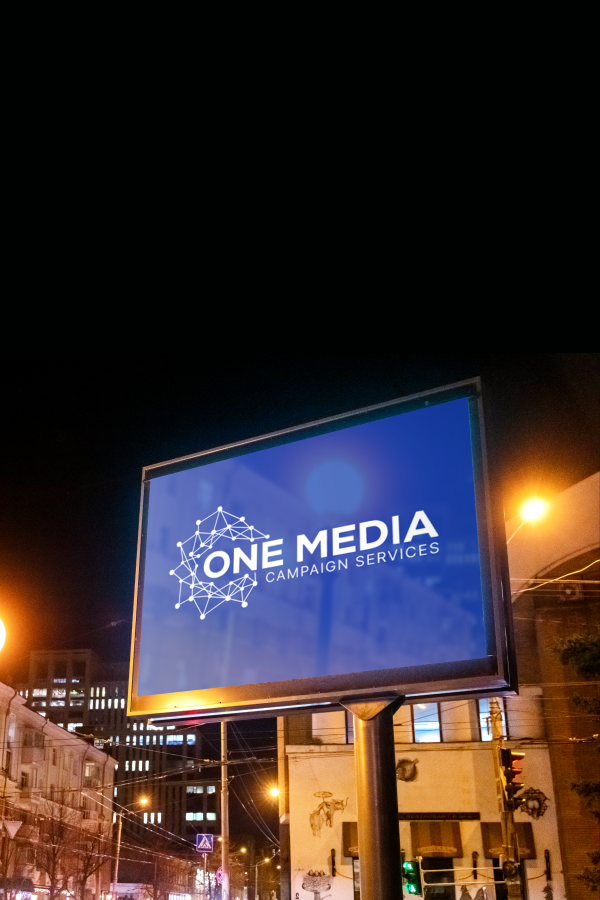
Every day, commuters pass hundreds of billboards. Few can recall what they saw, yet their minds quietly take note. A color, a logo, a phrase. Days later, at the store or online, that same brand feels familiar, trustworthy, even if they can’t say why.
The Unseen Power of Repetition
Billboards don’t sell instantly they seed memory. Psychologists call it the mere-exposure effect: the more we see something, the more we like it. Repetition builds recognition, and recognition builds preference. That’s why brands invest in long-term outdoor campaigns, not for one-time impact, but for quiet persuasion.
Consumers rarely make rational decisions. They make comfortable ones. Seeing a brand’s message every day during commutes subtly moves it from unknown to known, from stranger to friend.
The Science of Subconscious Recall
Neuroscience reveals that visual memory dominates over text or sound. Up to 80% of what we remember comes through our eyes, which makes billboards uniquely sticky in our brains. Even when we’re not paying attention, our subconscious mind processes color, font, and layout, encoding them as part of what psychologists call implicit memory.
That’s why, in split-second purchase decisions, a drink, a detergent, a snack, consumers often choose what “feels right.” That feeling isn’t random; it’s recognition. Outdoor visuals trigger this emotional familiarity faster than any rational argument could.
In Northern Nigeria, where long travel routes and shared transport systems dominate daily life, billboards act like communal storytelling walls. Unlike digital ads that vanish with a scroll, outdoor visuals become part of the landscape, woven into people’s daily routines.
This repeated visibility creates an advantage for brands that maintain consistent messaging over time. The longer a campaign stays up, the more it becomes a mental landmark, guiding not just recall, but trust.
“People don’t buy because they remember the ad. They buy because the brand feels familiar.”
Imran Jino, CEO & Owner Tweet
The Takeaway
Outdoor advertising doesn’t shout; it whispers, again and again, until the message feels like your own thought

This is a great reminder that financial planning isn’t just about numbers; it’s about aligning your money with your life goals. Physician Lifecycle Planning can help you make the most of your earning potential while ensuring you’re also prioritizing your well-being and quality of life.